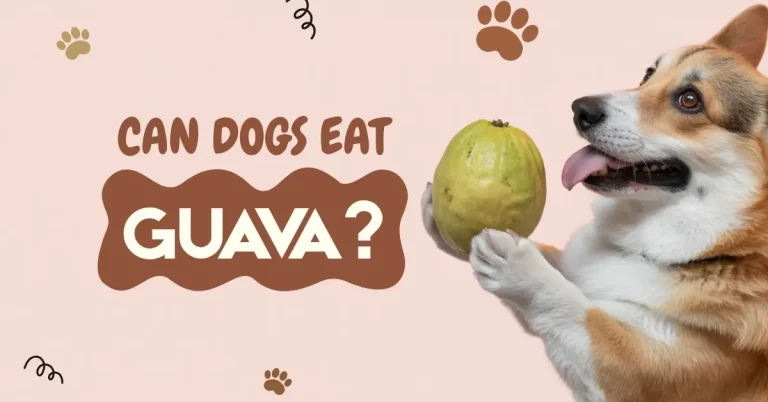
Have you ever been snacking on a juicy guava and wondered, “Can dogs eat guava?” You are not alone! Many dog owners are curious whether this tropical fruit is a safe treat for their furry friends.
Guava is packed with vitamins, fiber, and antioxidants that can support your dog’s health — but giving the wrong portion or preparation can lead to digestive upset.
In this guide, we’ll explore everything you need to know about feeding guava to dogs, including the benefits, risks, safe serving sizes, and even tips for puppies.
By the end, you’ll know exactly how to let your dog enjoy this sweet fruit safely — and guilt-free!
A Bit About Guava
Guava is a tropical fruit in Mexico, Central America, and northern South America. It is grown in India, the Philippines, and Australia. Guava is a popular fruit since it is tasty, nutritious, and simple to prepare. The fruit is round or oval and comes in many colors.
Can Dogs Eat Guava Fruit?
Yes, dogs can eat guava safely when it’s given in moderation and prepared properly. Fresh, ripe guava is non-toxic to dogs, but it should only be offered as an occasional treat—not a regular part of their diet. Always remove the seeds and cut the fruit into small pieces to reduce the risk of choking or digestive upset.

Guava Nutritional Advantages
Guava is a high-nutritional-value fruit abundant in vitamins, minerals, and antioxidants. Guava has the following nutritional benefits:
- Guava is a superb source of vitamin C. It is an essential antioxidant that helps to protect the body from free radicals and strengthens the immune system.
- It contains a high quantity of fiber, essential for digestive health.
- Guava is also high in vitamin A, which is essential for vision and skin health.
- It is a valuable source of potassium, which is crucial for heart health.
- It also contains other nutrients, including calcium, iron, and folate.
Guava Nutrition Snapshot (per 100g)
| Nutrient | Amount |
| Vitamin C | 228 mg |
| Fiber | 5.4 g |
| Potassium | 417 mg |
| Natural Sugar | ~9g |
This nutrient profile shows why guava can benefit immunity and digestion — but also why moderation is key due to sugar and fiber content.p

Read more: Nutritional Benefits of Feeding Banana Chips to Dogs
Guava Health Advantage for Dogs
Guava is more than just a tasty treat — it is a nutrient-rich fruit that can offer several health benefits for your dog when fed safely and in moderation.
Packed with vitamins, fiber, and antioxidants, guava can support your dog’s immune system, digestion, and overall well-being, making it a wholesome addition to their occasional snack routine.
Here is a closer look at why guava can be good for your furry friend:
1. Rich in Vitamin C
- Boosts the immune system
- Helps dogs fight infections and inflammation
- Supports overall health and recovery
2. High in Dietary Fiber
- Aids in healthy digestion
- Can help prevent constipation
- Supports proper bowel movements
3. Packed with Antioxidants
- Protects cells from free radical damage
- Promotes heart and organ health
- Lowers cancer risk
- Supports healthy aging
4. Low in Calories
- Makes a healthy, guilt-free treat
- Can be included in weight management snacks in moderation
5. Supports Hydration
- Guava has high water content, which helps keep dogs hydrated, especially in hot weather
6. Good for Bones
Guava contains anti-inflammatory properties that can help reduce inflammation and may benefit dogs suffering from arthritis or other inflammatory conditions.
7. Eye Health
Guava is a rich source of vitamin A, which is beneficial for eye health. Guava can help support healthy vision in your dog.
8. Provides Essential Nutrients
- Contains potassium, magnesium, and folate
- Supports muscle, nerve, and heart function
9. Feeding Reminder
- Feed guava in moderation
- Always remove seeds and peel if needed
- Watch for digestive issues when introducing any new fruit
Also read: Health Benefits of Black-Eyed Peas for Dogs
When Should Dogs Avoid Guava?
While guava is generally safe and nutritious for dogs in moderation, there are certain situations when you should avoid feeding it:
- Dogs with a sensitive stomach: Dogs prone to diarrhea, vomiting, or gastrointestinal upset may react poorly to the fiber and natural sugar in guava.
- Diabetic dogs: Guava contains natural sugars that can spike blood sugar levels, which can be risky for diabetic pets.
- Puppies and very small dogs: Their digestive systems are delicate, and guava — especially with skin or seeds — may be hard to digest or pose a choking hazard.
- Dogs with fruit allergies: Some dogs may develop itching, hives, or stomach upset from certain fruits, including guava.
- Dogs on a special diet: If your vet has prescribed a strict diet for weight control, kidney issues, or other health problems, introducing guava could interfere with their nutrition plan.
Tip: When in doubt, always consult your veterinarian before giving your dog any new fruit. Start with small, seedless pieces and monitor for any adverse reactions.
If your dog is pregnant, our Dog Pregnancy Calculator can help you track important milestones and ensure she gets the right care and nutrition.
You may also want to read: Why Should I Avoid Feeding Falafel to My Dog?
Disadvantages of Feeding Your Dog Guava
While guava is generally safe in moderation, it can have some potential drawbacks if not prepared or fed carefully.
1. Digestive Upset
Too much guava can cause:
- Diarrhea
- Gas
- Stomach cramps
High fiber content can be harsh on sensitive stomachs
2. Choking or Blockage Hazard
Seeds are hard to digest and can cause:
- Choking, especially in small dogs
- Intestinal blockage if swallowed whole
3. High Natural Sugar
Guava contains natural sugars, which can:
- Raise blood sugar levels
- Be risky for diabetic dogs
- Contribute to weight gain if overfed
4. Potential Allergic Reactions
Rare, but some dogs may develop:
- Itching
- Rash
- Vomiting after eating guava
5. Digestive Issues with Skin
- The skin can be tough to digest for some dogs
- May cause stomach upset or vomiting if fed unpeeled
Key Tip
- Feed small, seedless, peeled pieces in moderation
- Introduce guava gradually to monitor for any adverse reactions
- Always consult your vet if your dog has health issues like diabetes or a sensitive stomach
Read more: Possible Risks of Giving Lobster to Your Dog
How to Prepare Guava Safely for Your Dog?
Preparing guava for your dog is a super-easy task if you follow the steps below carefully.
Step 1: Choose Ripe, Fresh Guava
- Pick a fully ripe guava that’s soft and fragrant
- Avoid overripe, spoiled, or fermented guava
- Organic is best to reduce pesticide exposure
Step 2. Wash Thoroughly
- Rinse the guava under clean running water
- Gently scrub the skin to remove dirt, wax, or chemicals
3. Peel the Skin (Recommended)
- Guava skin is edible, but it can be tough to digest
- Peeling helps prevent stomach upset, especially for small dogs
4. Remove the Seeds (Very Important)
- Guava seeds are:
- Hard to digest
- A potential choking hazard
- Risky for intestinal blockage in small dogs
- Scoop out all seeds before serving
5. Cut into Small, Bite-Sized Pieces
- Chop the guava flesh into small cubes or thin slices
- Size should match your dog’s breed and chewing ability
6. Serve Plain Only
- No sugar
- No salt
- No spices or chili (very important)
- No guava juice, paste, or candy
Plain, fresh guava is the safest option.
7. Start with a Small Portion
- First-time serving? Offer 1-2 small pieces only
- Watch for:
- Diarrhea
- Vomiting
- Excess gas or itching
- If any symptoms appear, stop feeding guava
Also read: How to Prepare Homemade Hash Browns for Dogs?
How Much Guava Can Dogs Eat?
Guava should be treated as an occasional snack, not a regular part of your dog’s daily diet. While it offers vitamins and fiber, too much guava can upset your dog’s stomach due to its natural sugar and fiber content.
Here’s a simple portion guide based on your dog’s size:
- Small dogs (under 20 lbs): 1-2 small, seedless cubes
- Medium dogs (20-50 lbs): 2-4 small cubes
- Large dogs (50+ lbs): A few thin, seedless slices
Key Feeding Tips
- Keep guava treats to no more than 10% of your dog’s daily food intake
- Always serve guava fresh, plain, and seed-free
- Feed after meals to reduce the risk of stomach upset
- Avoid daily feeding — 1-2 times per week is ideal
If your dog shows signs of diarrhea, bloating, or vomiting, reduce the portion or stop feeding guava altogether and consult your vet. Moderation is the key to keeping guava a safe and healthy treat for your dog.
Not sure how old your dog really is in human years? Try our Dog Age Calculator to better understand your dog’s life stage and nutritional needs.
Signs Your Dog Ate Too Much Guava
While guava can be a healthy treat in small amounts, overeating it may upset your dog’s digestive system. Because guava is high in fiber and natural sugars, excessive consumption can quickly lead to discomfort. Watch closely for the following signs if your dog eats too much guava:
- Diarrhea or loose stools: One of the most common symptoms due to excess fiber.
- Vomiting or nausea: Your dog may vomit shortly after eating too much guava.
- Gas and bloating: Fermentation of sugars in the gut can cause abdominal discomfort
- Stomach pain or restlessness: Pacing, whining, or a tucked abdomen may indicate digestive pain.
- Loss of appetite: Your dog may refuse regular meals after overeating guava.
- Lethargy: Digestive upset can make your dog unusually tired or inactive.
When to Be Concerned?
Seek veterinary advice if:
- Symptoms last longer than 24 hours
- Vomiting or diarrhea is severe or persistent
- You notice signs of dehydration (dry gums, weakness)
- Your dog shows allergic reactions such as itching, swelling, or difficulty breathing (rare but possible)
What to Do Immediately?
- Stop feeding guava or any other treats
- Offer fresh water to prevent dehydration
- Feed a bland diet (plain boiled chicken and rice) if advised by your vet
Tip: To avoid these issues, always introduce guava slowly and serve it in small, bite-sized portions. Moderation is key when offering any new fruit to your dog.
How Can I Feed Guava to My Dogs? Effective Ways!
If done appropriately, feeding Guava to your dog can be a nutritious and delightful addition to their diet. Here are various methods to feed Guava to your pet:
1. Fresh, Chopped Guava
As a treat, cut up fresh Guava into small, bite-sized pieces and give it to your dog. Remove the seeds and peel them before serving to your dog to reduce choking hazards.
2. Guava Puree
Can dogs eat Guava as a puree? Yes. Make a puree from fresh Guava and incorporate it into your dog’s diet. It is an excellent way to introduce Guava’s nutritional benefits into your dog’s diet.
3. Frozen Guava
Freeze little Guava chunks and provide them to your dog as a cool treat after a hot day. Frozen Guava can be a hazardous way to cool down your dog while providing a healthy snack.
4. Guava-Based Goodies
Many Guava-based sweets, such as flavored biscuits or snacks, are available in the market. Always carefully analyze the contents and select a high-quality brand that uses only natural components.
Read more: How to Feed Farro to Your Dog?
Can Dogs Eat Guava Seeds?
While Guava fruit is considered safe for dogs to eat in small amounts, the seeds can be a choking hazard. Because the seeds are small and firm, they can quickly become lodged in your dog’s throat or digestive system. If your dog accidentally consumes a Guava seed, it might cause blockages or obstructions, potentially life-threatening.
Removing the seeds from the Guava fruit before feeding it to your dog is essential. It can be done by cutting the fruit into small pieces and removing the seeds with a spoon or knife. Alternatively, you can puree or blend the fruit, which will also remove the seeds.
If your dog accidentally swallows a Guava seed, monitor them closely to check the signs of choking or distress. Seek veterinary attention immediately, whether you want to ask if dogs eat guava or if your dog exhibits any signs of choking or breathing difficulties.
Can Dogs Eat Guava Paste?
Guava paste is a delectable and widely consumed treat in many countries worldwide. It is made by cooking fresh Guava fruit down into a thick, sweet, and flavorful paste that is eaten on its own or used in various recipes.
As a pet owner, you may wonder, “Can dogs eat guava paste?” The short answer is that, in moderation, dogs can consume guava paste. However, there are many precautions you must take to keep your dog safe and healthy.
- Guava paste is heavy in sugar, contributing to weight gain and other health issues if your dog consumes too much. It is critical to limit your dog’s consumption of Guava paste and only provide it as a treat on occasion.
- Second, specific brands of Guava paste may contain preservatives, artificial colors, or flavors that may damage your dog’s health. Choose a high-quality, natural Guava paste containing pureed fruit and natural sugars.
- Finally, while Guava fruit is generally safe for dogs, its seeds and skin can be a choking hazard. Before preparing a paste or feeding it to your dog, remove the seeds and skin from the fruit.
Can Puppies Eat Guava?
Guava is a tasty and nutritious fruit that can be added to your puppy’s diet. However, you must check the safety standards as a responsible pet owner. Puppies have more sensitive digestive systems than adult dogs.
Though guava isn’t toxic, it is best to wait until a puppy is older (at least 6 months) before introducing any fruit.
Guava is generally safe for pups to consume when consumed in low doses. It’s high in vitamins A and C, fiber, and antioxidants, all of which can improve your puppy’s immune system and digestive health.
However, remember that pups’ digestive systems are sensitive and may be unable to handle certain foods. It is better to gradually add guava to your puppy’s diet in small amounts to see how they react.
So if you are thinking of “Can we give Guava to a puppy?” the answer is YES, but begin with a small slice of Guava and watch for any signs of stomach trouble, such as vomiting or diarrhea.
If you are welcoming a new puppy into your home, our Dog Name Generator can help you find the perfect name that matches your dog’s personality in seconds.
Can Dogs Eat Guava with Milk?
While both Guava and milk are nutritious, combining and feeding them to your dog is typically not advisable. Dogs are lactose intolerant, having no enzymes to digest lactose, the sugar in milk.
Milk, especially in large quantities, can cause digestive distress, such as diarrhea, vomiting, and abdominal pain in your dog. Conversely, sand fruit is a safe and nutritious fruit that dogs can eat in small amounts. It has a lot of vitamins, fiber, and antioxidants that can help your dog’s general health.
If you wish to give Guava to your dog, serve it on its own, without any other components. Fresh sand fruit can be chopped into small, bite-sized pieces, delivered to your dog as a treat, blended into a puree, and mixed into your dog’s diet.
How Do I Feed Multigrain Guava to My Dogs?
Can dogs eat Guava with other multi grains? A nutritious and healthful snack, multigrain Guava can be an excellent superfood for your dog’s diet. However, you must ensure that you provide it to your dog in a safe and easy-to-digest manner.
Here are some ideas for feeding multigrain Guava to your dog extensively:
1. Introducing Too Little Pieces
Add tiny pieces of multigrain Guava and watch how they react. You can gradually raise the dosage if your dog exhibits no signs of intestinal distress.
2. Remove the Seeds and Skin
Can dogs eat guava with seeds? Before giving your dog the multigrain Guava, remove the seeds and skin. The sources can be a choking hazard and difficult to digest for your dog, while the skin might be difficult to chew and swallow.
3. Mix with Dog Food
Add chopped multigrain Guava to your dog’s usual meal to boost their nutrition. It’s vital not to overdo it with fiber, as too much can induce intestinal distress.
4. Frozen Multigrain Guava
On a hot day, you can freeze small slices and serve them as a pleasant treat. It is the most suitable way to cool down your dog while providing them with a nutritious snack.
Always offer your dog moderate quantities of multigrain Guava to your canine partner, and watch for any signs of digestive distress. If your dog has any undesirable reactions, such as vomiting or diarrhea, stop giving them multigrain Guava immediately and seek veterinary care if necessary.
Final Words
So, can dogs eat guava? Yes — when served properly and in moderation, guava can be a healthy and refreshing treat for many dogs. Its vitamins, fiber, and antioxidants can offer nutritional benefits, but the key is how you serve it.
Always remove the seeds, cut the fruit into small pieces, and limit portions to avoid digestive issues. Remember, every dog is different — what works well for one pup may not suit another.
When in doubt, introduce guava slowly and keep an eye out for any unusual reactions. As with all treats, guava should complement your dog’s regular diet, not replace it. When fed responsibly, this tropical fruit can be a safe and tasty way to add variety to your dog’s snack routine.
Frequently Asked Questions (FAQs)
A: Yes, dogs can eat guava at night, but give it in small amounts to avoid stomach upset or digestive issues while they sleep.
A: You can get fresh guava from grocery stores, local markets, or organic fruit shops. Always choose ripe, clean, and pesticide-free fruit.
A: Dogs usually prefer ripe, sweet guava. Avoid unripe or sour guava, as it can be hard on the stomach.
A: Dogs can eat guava skin, but it is tough and harder to digest. Peeling it is safer, especially for small dogs or dogs with sensitive stomachs.
A: No, guava juice is not recommended. It often contains added sugar and lacks fiber, which can upset your dog’s stomach and raise blood sugar.
A: Guava should be an occasional treat, about 1-2 times per week, in small, seedless, bite-sized pieces.
A: No, guavas are not poisonous to dogs when fed in moderation and prepared properly.
A: No part of guava is toxic, but the seeds and core should be avoided because they can cause choking or digestive blockages.
A: Yes, dogs can eat both mango and guava in small amounts, as long as seeds, pits, and skins are removed.
A: Yes, pink guava is safe for dogs when seedless and served in small, bite-sized pieces.
A: No, dried guava is not recommended because it’s high in sugar and may contain preservatives.
A: Yes, ripe green guava is safe, but unripe guava may cause stomach upset due to its hardness and acidity.
A: No, guava jelly often contains added sugar or artificial sweeteners, which are unhealthy or dangerous for dogs.
A: Guava leaves are not toxic, but they are not recommended as they can be hard to digest.
A: Yes, white guava is safe for dogs when seeds are removed, and portions are kept small.
A: Yes, yellow guava is safe for dogs if ripe, seedless, and fed in moderation.